
Apex Invent League • 6 min
Apex Invent League School Participation Guide
Apex Invent League School Participation Guide. A practical planning guide for schools evaluating innovation challenge participation.

Define the innovation challenge participation scope
Start with the learners, teachers, timetable, location and intended innovation challenge participation. Record the roles of the school, delivery team and any institutional partner before launch.
Turn participation into a repeatable routine
Prepare facilitators, rehearse the first innovation challenge participation activity, agree how materials move and reserve time for reflection. A named school owner keeps delivery consistent when classes or locations change.
Review evidence without overstating impact
Record participation, teacher readiness, completed work, issues and next actions that are relevant to innovation challenge participation. Publish only claims that the school or programme records can support.
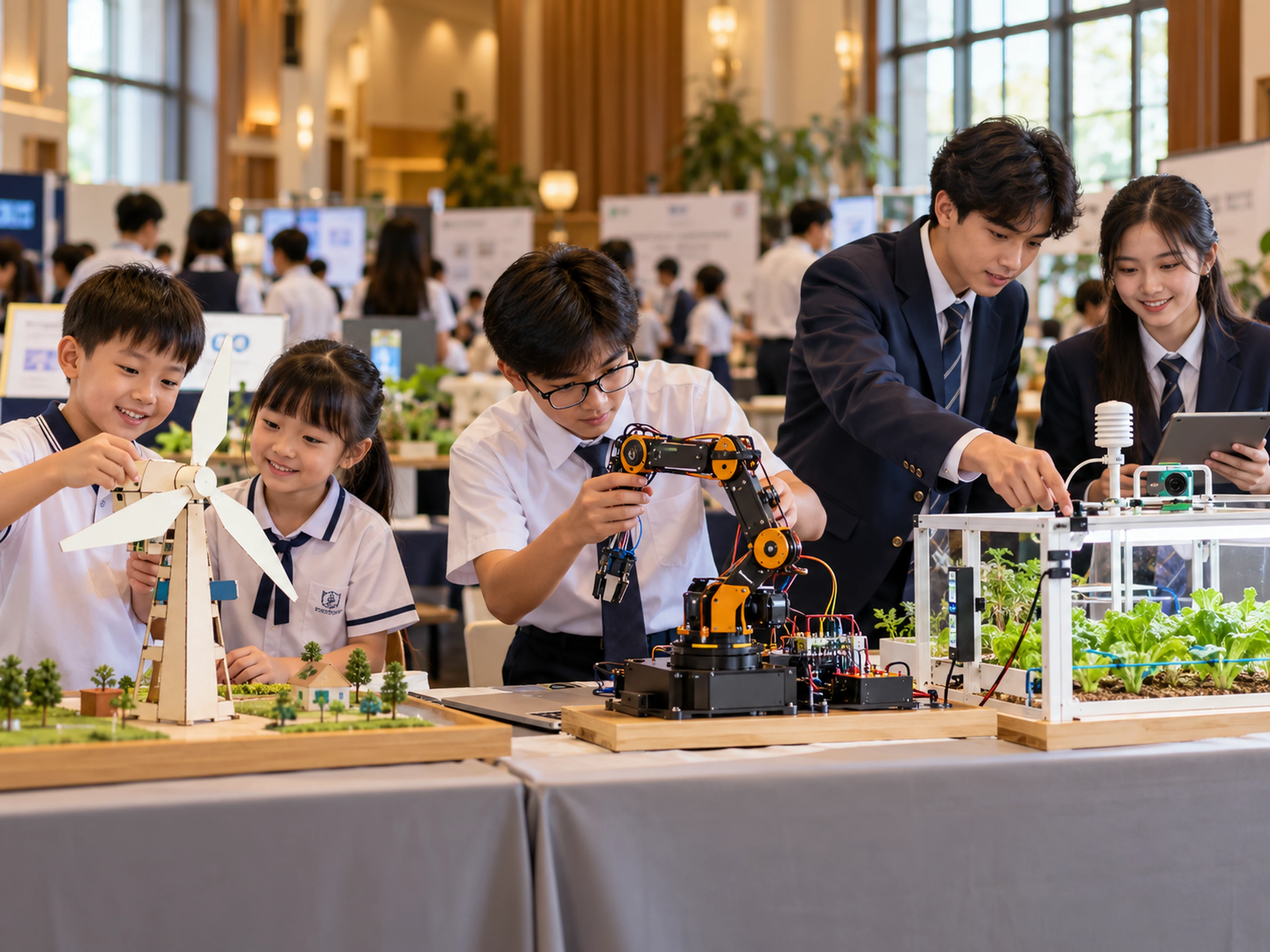
This setup guide turns Apex Invent League for schools into an operating plan for student teams, coordinators and school innovation leaders. It starts with users, timetable and space, then connects procurement to problem selection, prototyping, testing, documentation and presentation readiness. The result should be a usable weekly routine, not an impressive room that teachers struggle to run.
Before approval, write down the assumptions that could change the result: room readiness, active learner capacity, staff ownership, timetable, connectivity, consumables, maintenance and review cadence. For this solution, pay particular attention to published eligibility and judging rules, original work and no promise of awards or selection. Any policy, compatibility, security or outcome claim should be checked against the current source and the provider's written scope.
Implementation steps
Confirm users and intended outcomes
Document who will use Apex Invent League, how often and what teachers or school leaders need to observe.
Validate room and operating readiness
Check the space, timetable, infrastructure, supervision and published eligibility and judging rules, original work and no promise of awards or selection.
Rehearse before full launch
Run a small pilot around problem selection, prototyping, testing, documentation and presentation readiness, record issues and adjust responsibilities.
Review and improve
Use design journals, test results, judging rubrics and submitted project records to decide what needs support, replenishment or a later phase.
Questions to settle before the next decision
- Are AI, robotics and STEM projects accepted
- Are teachers trained as coordinators
- Will students receive certificates and awards
- Is there national-level exposure
- Can you share the annual calendar
- How does Apex Invent League work in a school
| Review area | Evidence to request | Warning sign |
|---|---|---|
| Learning or operating fit | problem selection, prototyping, testing, documentation and presentation readiness | Equipment or features without a timetable workflow |
| Teacher and team readiness | Named owner, rehearsal and follow-up plan | One demonstration described as complete adoption |
| Evidence | design journals, test results, judging rubrics and submitted project records | Outcome promises without a measurement method |
| Commercial scope | Itemised inclusions, exclusions and recurring needs | A headline price with unstated assumptions |
Planning references
Primary guidance and further reading
These references support the policy and implementation principles in this guide. Confirm product-specific features, compatibility and commercial scope in the current written proposal and demonstration.
Planning questions
Frequently asked questions
Who should own innovation challenge participation planning?
Include school leadership, the programme owner, participating teachers, operations staff and any institutional partner involved in delivery.
How should a school review innovation challenge participation support?
Compare scope, eligibility, implementation steps, training, evidence, support and commercial assumptions rather than a headline promise.
Are AI, robotics and STEM projects accepted?
Yes. AI, robotics and broader STEM projects can be accepted when they meet the published season's eligibility, originality, documentation, safety and submission rules.
Are teachers trained as coordinators?
Teachers can be prepared as coordinators through an orientation covering rules, originality, safety, project documentation, timelines, mentoring boundaries and submission steps.
Will students receive certificates and awards?
Certificates or awards may be offered according to the published season rules and completed participation or judging outcomes; neither an award nor selection should be promised in advance.
Is there national-level exposure?
National-level exposure depends on the announced season format, eligible stages and selection results. Confirm the current calendar and rules rather than assuming every entry advances.
Can you share the annual calendar?
Yes. The annual calendar should publish registration, orientation, build milestones, submission, review and event dates; use the current season's version because dates can change.
How does Apex Invent League work in a school?
Schools register eligible teams, coordinators follow the season calendar, students document original projects, submissions are checked and qualifying work proceeds under the published rules.
Related guides
Continue planning this solution

Apex Invent League Project Readiness and Evidence
Apex Invent League Project Readiness and Evidence. A practical planning guide for schools evaluating project readiness.
Apex Invent League Eligibility, Packages and Support
Apex Invent League Eligibility, Packages and Support. A practical planning guide for schools evaluating competition planning.