
Samyak Sankalp • 6 min
Samyak Sankalp Reporting, Evidence and Support
Samyak Sankalp Reporting, Evidence and Support. A practical planning guide for schools evaluating impact reporting.
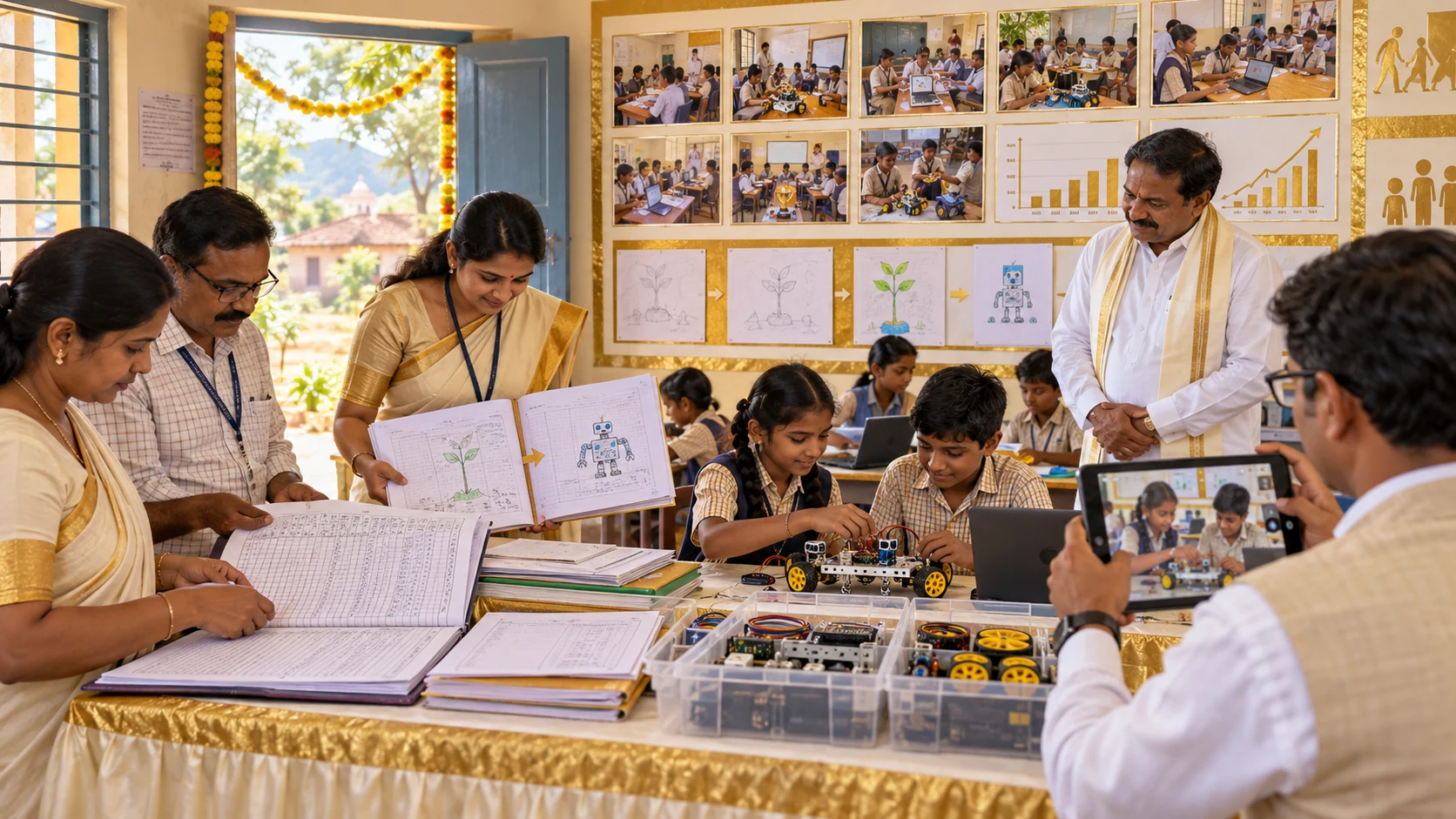
Define the impact reporting scope
Start with the learners, teachers, timetable, location and intended impact reporting. Record the roles of the school, delivery team and any institutional partner before launch.
Turn participation into a repeatable routine
Prepare facilitators, rehearse the first impact reporting activity, agree how materials move and reserve time for reflection. A named school owner keeps delivery consistent when classes or locations change.
Review evidence without overstating impact
Record participation, teacher readiness, completed work, issues and next actions that are relevant to impact reporting. Publish only claims that the school or programme records can support.
This decision guide helps CSR teams, implementation partners and beneficiary schools compare scope without relying on a headline price or marketing promise. It separates essential delivery, optional upgrades, recurring needs and evidence so proposals for Samyak Sankalp CSR reporting can be compared on the same basis.
Before approval, write down the assumptions that could change the result: room readiness, active learner capacity, staff ownership, timetable, connectivity, consumables, maintenance and review cadence. For this solution, pay particular attention to no funding guarantee, documented responsibilities and reporting agreed before launch. Any policy, compatibility, security or outcome claim should be checked against the current source and the provider's written scope.
Implementation steps
Issue one common requirement brief
Give every provider the same learner numbers, room facts, priority outcomes and support expectations for Samyak Sankalp.
Separate scope and assumptions
Compare infrastructure, equipment, content, training, recurring items, exclusions and warranty or service terms line by line.
Validate the real workflow
Use a demonstration or sample activity to test school selection, requirement validation, delivery governance and evidence-led reporting with the people who will run it.
Agree the review point
Name the evidence owner and review approved scopes, delivery records, utilisation documents and outcome narratives before expanding the scope.
Questions to settle before the next decision
- How will impact be measured
- Will the company receive impact reports
- Are utilization certificates provided
- What are the benefits of Samyak Sankalp
- Is Samyak Sankalp aligned with CBSE, NEP 2020 and NCERT
| Review area | Evidence to request | Warning sign |
|---|---|---|
| Learning or operating fit | school selection, requirement validation, delivery governance and evidence-led reporting | Equipment or features without a timetable workflow |
| Teacher and team readiness | Named owner, rehearsal and follow-up plan | One demonstration described as complete adoption |
| Evidence | approved scopes, delivery records, utilisation documents and outcome narratives | Outcome promises without a measurement method |
| Commercial scope | Itemised inclusions, exclusions and recurring needs | A headline price with unstated assumptions |
Planning references
Primary guidance and further reading
These references support the policy and implementation principles in this guide. Confirm product-specific features, compatibility and commercial scope in the current written proposal and demonstration.
Planning questions
Frequently asked questions
Who should own impact reporting planning?
Include school leadership, the programme owner, participating teachers, operations staff and any institutional partner involved in delivery.
How should a school review impact reporting support?
Compare scope, eligibility, implementation steps, training, evidence, support and commercial assumptions rather than a headline promise.
How will impact be measured?
Agree indicators before launch, such as schools reached, learner participation, teacher readiness, lab usage, completed projects, issues and verified outputs, then report only supported claims.
Will the company receive impact reports?
Yes. The reporting schedule can include implementation status, participation, utilisation, photographs with consent, project evidence, issues, expenditure records and next actions.
Are utilization certificates provided?
Utilisation documentation may be provided according to the approved agreement and applicable accounting process. The company should specify format, evidence and authorised signatories before launch.
What are the benefits of Samyak Sankalp?
Samyak Sankalp connects CSR planning, school validation, implementation and evidence so partners can support practical education through a documented delivery model.
Is Samyak Sankalp aligned with CBSE, NEP 2020 and NCERT?
Projects can support CBSE, NCERT and NEP educational priorities, but the school intervention and curriculum map must be verified; CSR governance is governed separately.
Related guides
Continue planning this solution
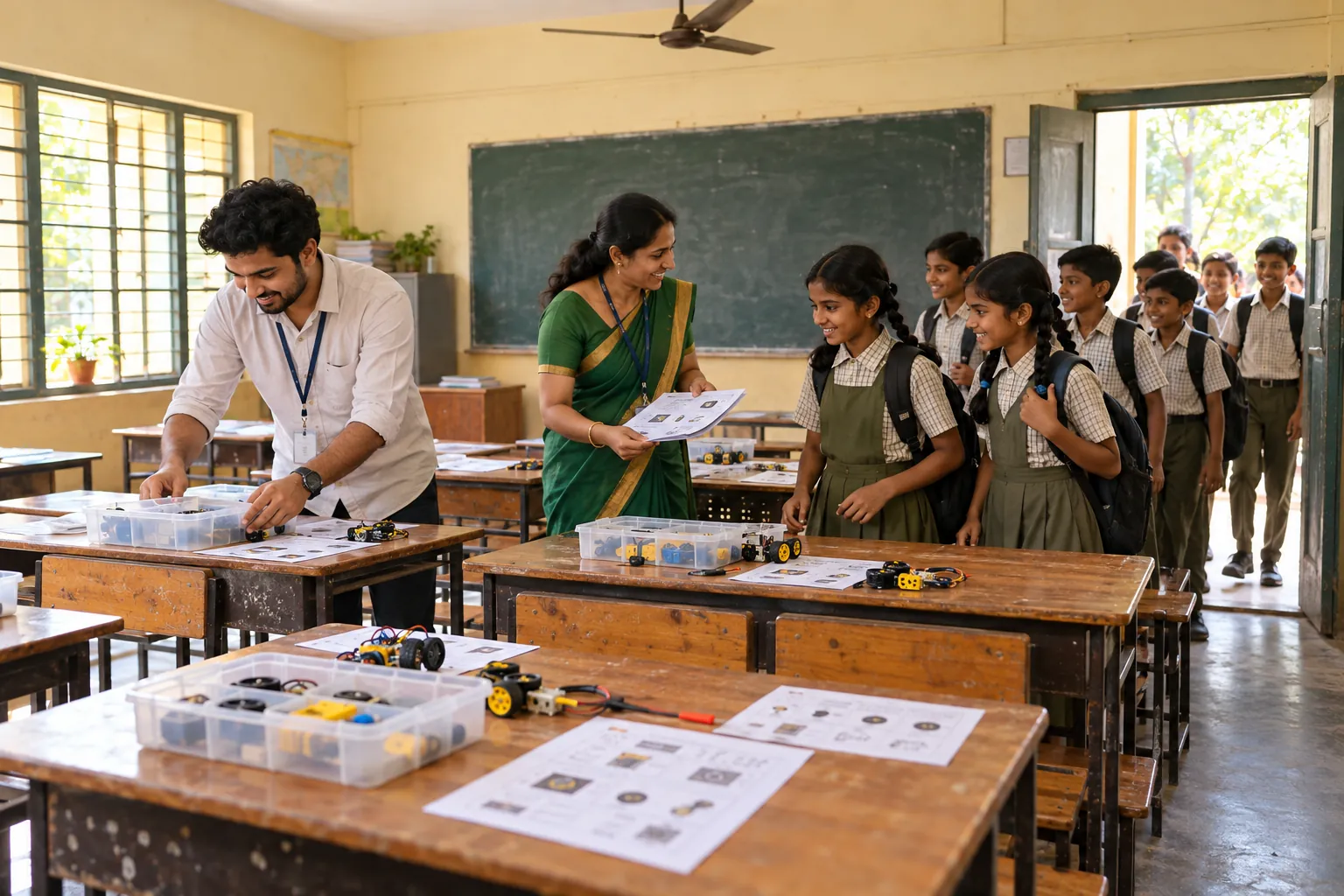
CSR STEM Education Projects: From Deployment to Measurable Impact
Structure multi-school CSR programmes around access, teacher capacity and usable evidence.
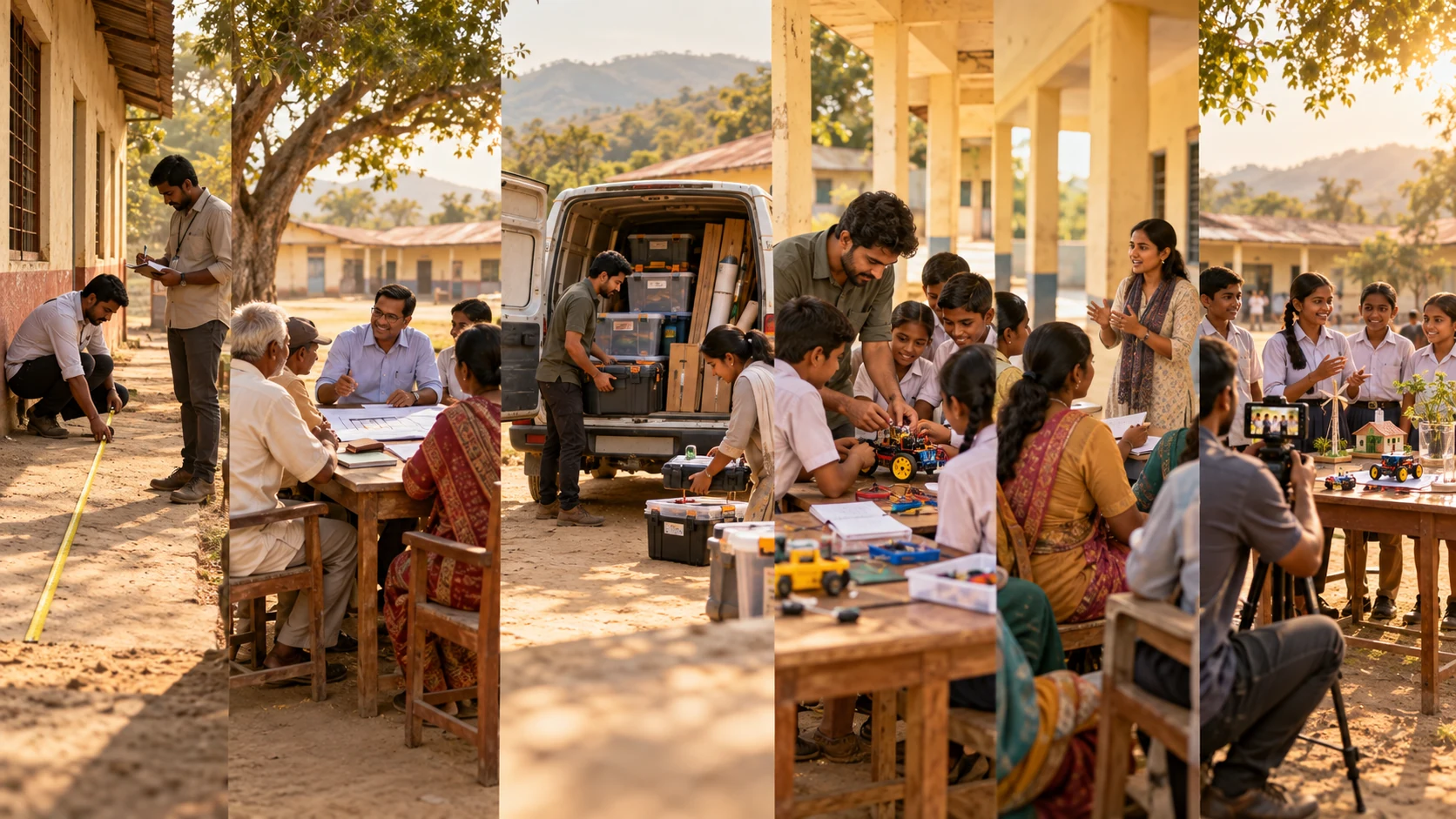
Samyak Sankalp School Partnership Setup
Samyak Sankalp School Partnership Setup. A practical planning guide for schools evaluating community partnership.