
Tiny Wonder Discovery Lab • 6 min
Preschool Discovery Lab Cost, Materials and Teacher Support
Compare a discovery lab proposal by learner capacity, room readiness, curriculum and support instead of equipment count alone.
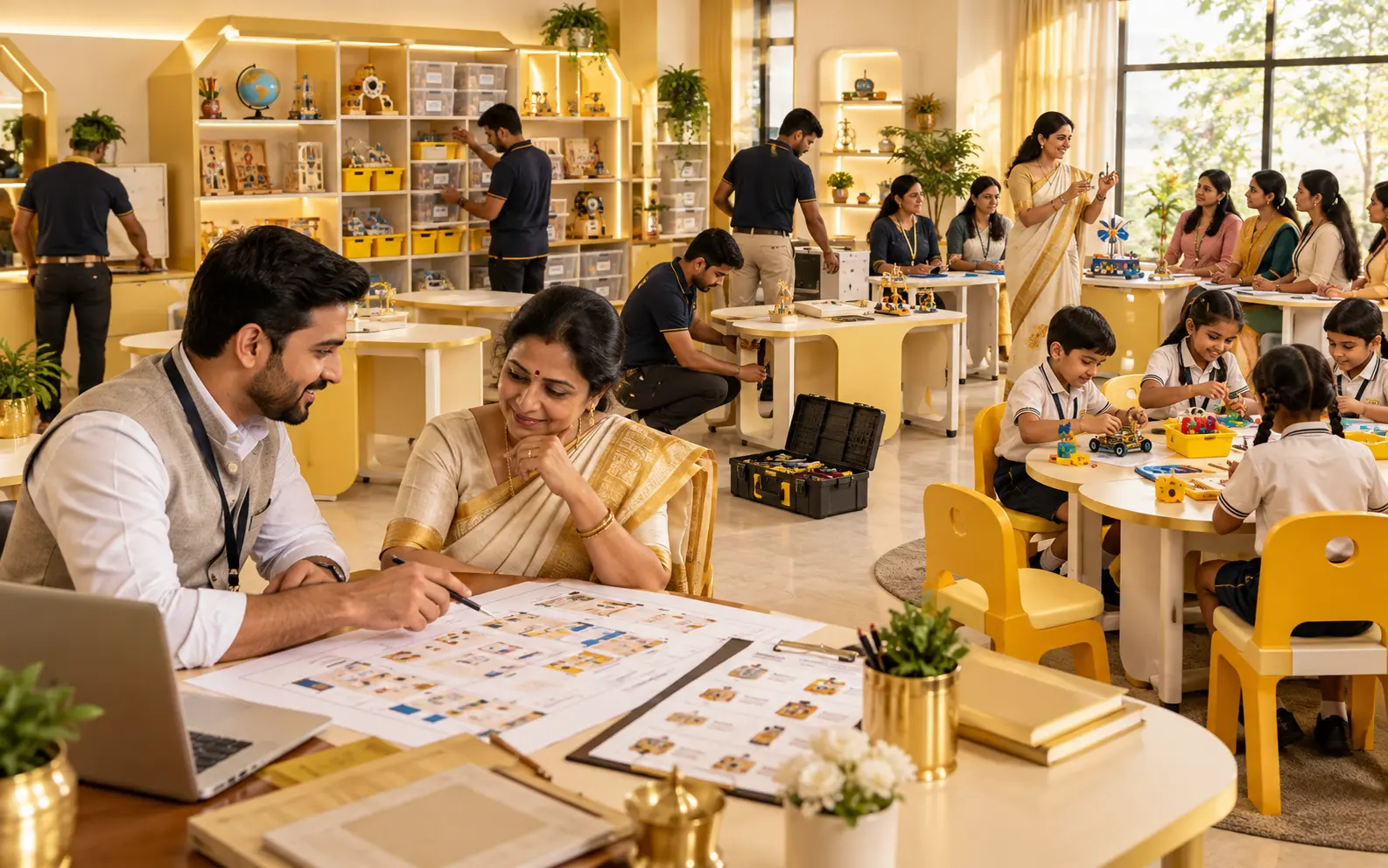
Understand the real cost drivers
Budget depends on learner capacity, room preparation, furniture, reusable materials, consumables, safety provisions, activity design and teacher enablement. Ask for each item to be separated in the proposal.
Compare support, not promises
Check whether the provider supplies activity guidance, teacher orientation, replacement advice, safety routines and a way to review usage after installation.
Plan for sustainable use
Choose materials that can support many activities and set a replenishment routine. A smaller, well-used lab can create more learning than a larger collection that stays locked away.
This decision guide helps early-years coordinators and preschool teachers compare scope without relying on a headline price or marketing promise. It separates essential delivery, optional upgrades, recurring needs and evidence so proposals for preschool discovery lab cost can be compared on the same basis.
Before approval, write down the assumptions that could change the result: room readiness, active learner capacity, staff ownership, timetable, connectivity, consumables, maintenance and review cadence. For this solution, pay particular attention to age-appropriate materials, hygiene, movement space and direct adult supervision. Any policy, compatibility, security or outcome claim should be checked against the current source and the provider's written scope.
Implementation steps
Issue one common requirement brief
Give every provider the same learner numbers, room facts, priority outcomes and support expectations for Tiny Wonder Discovery Lab.
Separate scope and assumptions
Compare infrastructure, equipment, content, training, recurring items, exclusions and warranty or service terms line by line.
Validate the real workflow
Use a demonstration or sample activity to test short sensory investigations, child-height storage and closely supervised exploration with the people who will run it.
Agree the review point
Name the evidence owner and review photographs, child explanations, drawings and teacher observation notes before expanding the scope.
Questions to settle before the next decision
- Can you provide a proposal and quotation
- How do I choose the best Tiny Wonder Discovery Lab provider
- Can Tiny Wonder Discovery Lab be customized for my school
| Review area | Evidence to request | Warning sign |
|---|---|---|
| Learning or operating fit | short sensory investigations, child-height storage and closely supervised exploration | Equipment or features without a timetable workflow |
| Teacher and team readiness | Named owner, rehearsal and follow-up plan | One demonstration described as complete adoption |
| Evidence | photographs, child explanations, drawings and teacher observation notes | Outcome promises without a measurement method |
| Commercial scope | Itemised inclusions, exclusions and recurring needs | A headline price with unstated assumptions |
Planning references
Primary guidance and further reading
These references support the policy and implementation principles in this guide. Confirm product-specific features, compatibility and commercial scope in the current written proposal and demonstration.
Planning questions
Frequently asked questions
What should be included in a preschool discovery lab quote?
Ask for room assumptions, materials, furniture, safety, curriculum support, teacher training, installation and after-launch support.
Can a play school start with a smaller lab?
Yes. A phased plan can begin with safe core activities and expand when teachers and learners are using the space confidently.
Can you provide a proposal and quotation?
Yes. A useful proposal should be based on room dimensions, learner count, age groups, furniture needs, activity scope, teacher support and installation assumptions before a quotation is issued.
How do I choose the best Tiny Wonder Discovery Lab provider?
Compare providers on child safety, age suitability, activity depth, teacher orientation, room planning, replenishment, after-launch support and a transparent itemised scope—not equipment count alone.
Can Tiny Wonder Discovery Lab be customized for my school?
Yes. The number of stations, storage, activity mix, language support, room layout and teacher plan can be adapted after a site and requirement review.
Related guides
Continue planning this solution
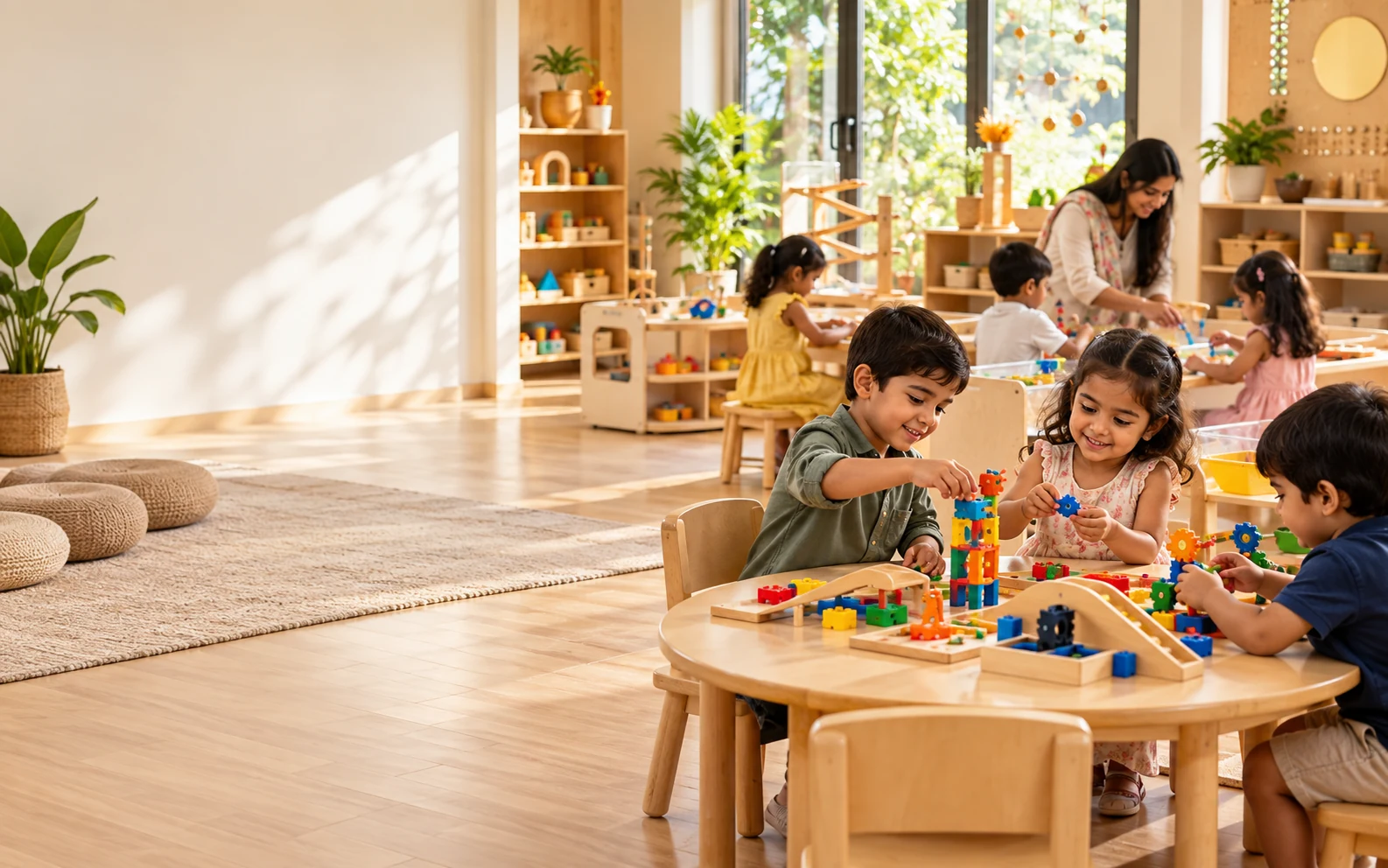
How to Set Up a Safe Preschool Discovery Lab
Plan an age-appropriate discovery space with safe materials, teacher routines and hands-on STEM invitations.
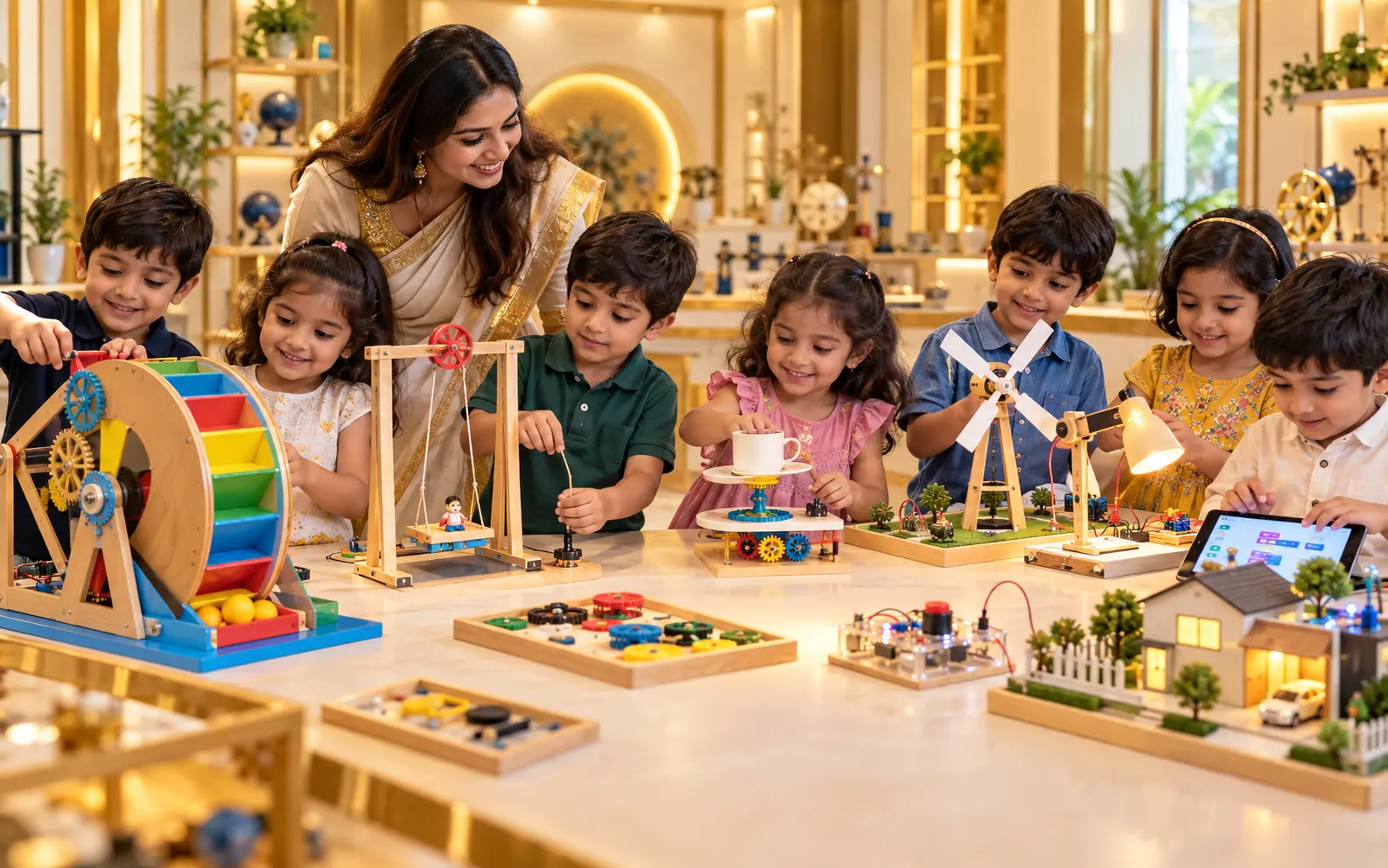
Preschool Discovery Lab Activities and Curriculum Planning
Connect playful experiments to observation, language, early maths and creative problem solving.