
Tiny Wonder Discovery Lab • 6 min
Preschool Discovery Lab Activities and Curriculum Planning
Connect playful experiments to observation, language, early maths and creative problem solving.
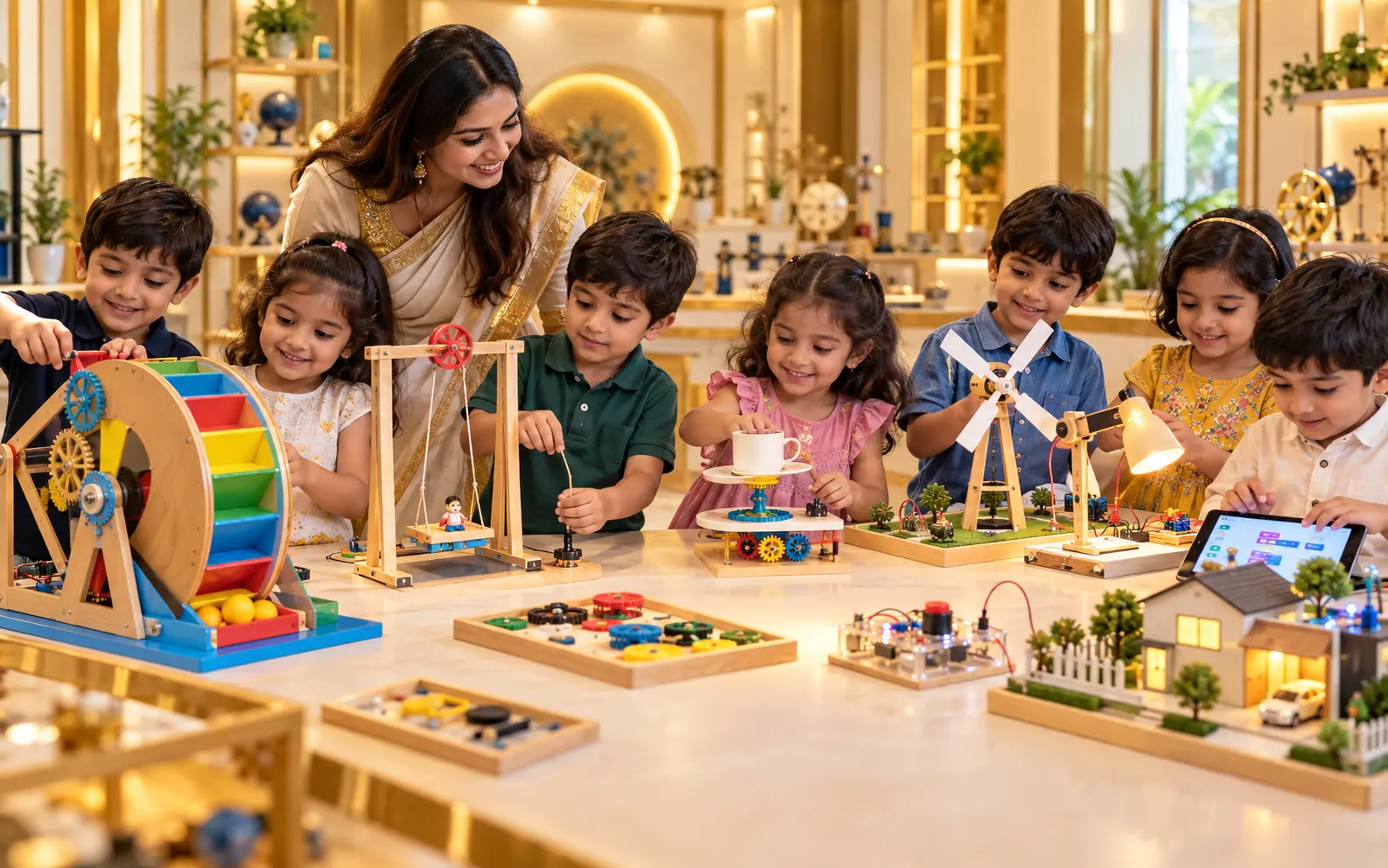
Use questions before answers
Ask children to predict, notice, compare and explain. Water, light, texture, balance and simple building activities can develop early scientific language without requiring a lecture.
Sequence activities by readiness
Begin with sensory exploration, then add sorting, counting, measuring and simple cause-and-effect challenges. Keep the same idea available at different levels so mixed-age groups can participate together.
Capture evidence lightly
Teachers can keep photographs, child explanations, drawings and short observation notes. These records show emerging confidence and curiosity without turning early learning into a test.
This learning and operations guide focuses on what happens after launch. For Tiny Wonder Discovery Lab, the practical test is whether teachers can repeat short sensory investigations, child-height storage and closely supervised exploration and whether the school can review photographs, child explanations, drawings and teacher observation notes.
Before approval, write down the assumptions that could change the result: room readiness, active learner capacity, staff ownership, timetable, connectivity, consumables, maintenance and review cadence. For this solution, pay particular attention to age-appropriate materials, hygiene, movement space and direct adult supervision. Any policy, compatibility, security or outcome claim should be checked against the current source and the provider's written scope.
Implementation steps
Confirm users and intended outcomes
Document who will use Tiny Wonder Discovery Lab, how often and what teachers or school leaders need to observe.
Validate room and operating readiness
Check the space, timetable, infrastructure, supervision and age-appropriate materials, hygiene, movement space and direct adult supervision.
Rehearse before full launch
Run a small pilot around short sensory investigations, child-height storage and closely supervised exploration, record issues and adjust responsibilities.
Review and improve
Use photographs, child explanations, drawings and teacher observation notes to decide what needs support, replenishment or a later phase.
Questions to settle before the next decision
- What activities suit ages 3 to 6
- How does a discovery lab improve early learning
- Is the lab aligned with foundational learning
- Can parents see activity progress
- Can it improve play school admissions
- What are the benefits of Tiny Wonder Discovery Lab
- Is Tiny Wonder Discovery Lab aligned with CBSE, NEP 2020 and NCERT
| Review area | Evidence to request | Warning sign |
|---|---|---|
| Learning or operating fit | short sensory investigations, child-height storage and closely supervised exploration | Equipment or features without a timetable workflow |
| Teacher and team readiness | Named owner, rehearsal and follow-up plan | One demonstration described as complete adoption |
| Evidence | photographs, child explanations, drawings and teacher observation notes | Outcome promises without a measurement method |
| Commercial scope | Itemised inclusions, exclusions and recurring needs | A headline price with unstated assumptions |
Planning references
Primary guidance and further reading
These references support the policy and implementation principles in this guide. Confirm product-specific features, compatibility and commercial scope in the current written proposal and demonstration.
Planning questions
Frequently asked questions
Which activities suit ages three to six?
Choose short, sensory and collaborative activities involving colour, texture, sound, water, movement, balance, building and simple measurement.
How often should children use the lab?
A consistent weekly or fortnightly slot is more useful than an occasional showcase because teachers can revisit ideas and observe progress.
What activities suit ages 3 to 6?
Ages three to six respond well to short activities involving colour, texture, sound, water, shadows, magnets, balance, construction, sorting and simple measurement, with difficulty adjusted by age.
How does a discovery lab improve early learning?
A discovery lab can strengthen observation, vocabulary, comparison, prediction, fine-motor control and collaborative problem-solving when teachers revisit activities and record what children notice and explain.
Is the lab aligned with foundational learning?
It can support foundational learning through play, language, numeracy, exploration and motor development, but the school should map each activity to its own early-years framework rather than claim automatic compliance.
Can parents see activity progress?
Yes. Schools can share photographs, drawings, child explanations and brief teacher observations through their normal parent communication process, subject to consent and the school's privacy policy.
Can it improve play school admissions?
A well-used lab may make the learning experience more visible to families, but admissions improvement is not guaranteed; communicate actual activities and evidence instead of promising enrolment growth.
What are the benefits of Tiny Wonder Discovery Lab?
Tiny Wonder supports guided curiosity, early language, numeracy, sensory exploration, collaboration and confidence with materials through repeatable, age-appropriate practical activities.
Is Tiny Wonder Discovery Lab aligned with CBSE, NEP 2020 and NCERT?
Its activities can be mapped to foundational learning and NEP themes, but CBSE, NCERT or policy alignment should be documented activity by activity and checked against current guidance.
Related guides
Continue planning this solution
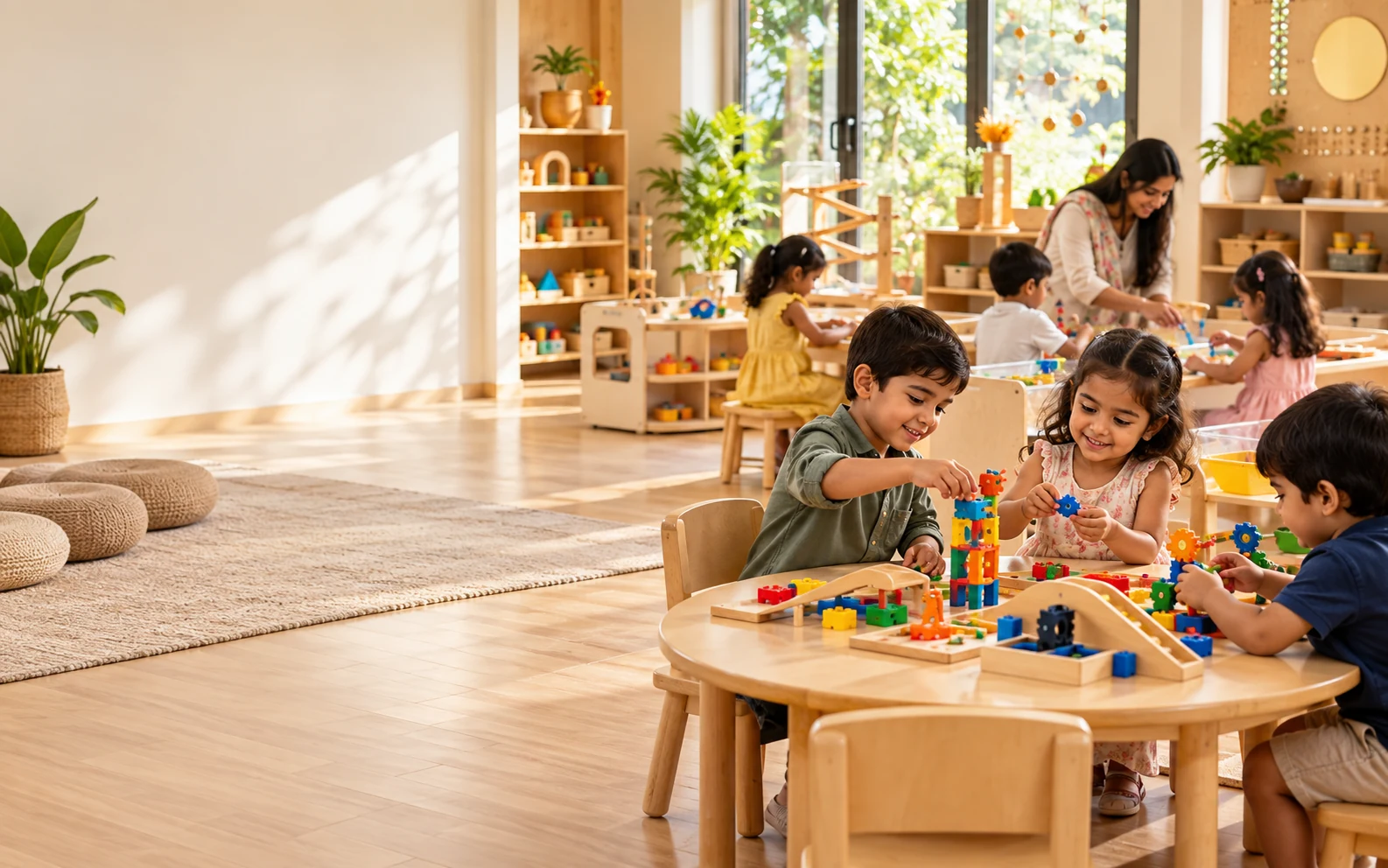
How to Set Up a Safe Preschool Discovery Lab
Plan an age-appropriate discovery space with safe materials, teacher routines and hands-on STEM invitations.
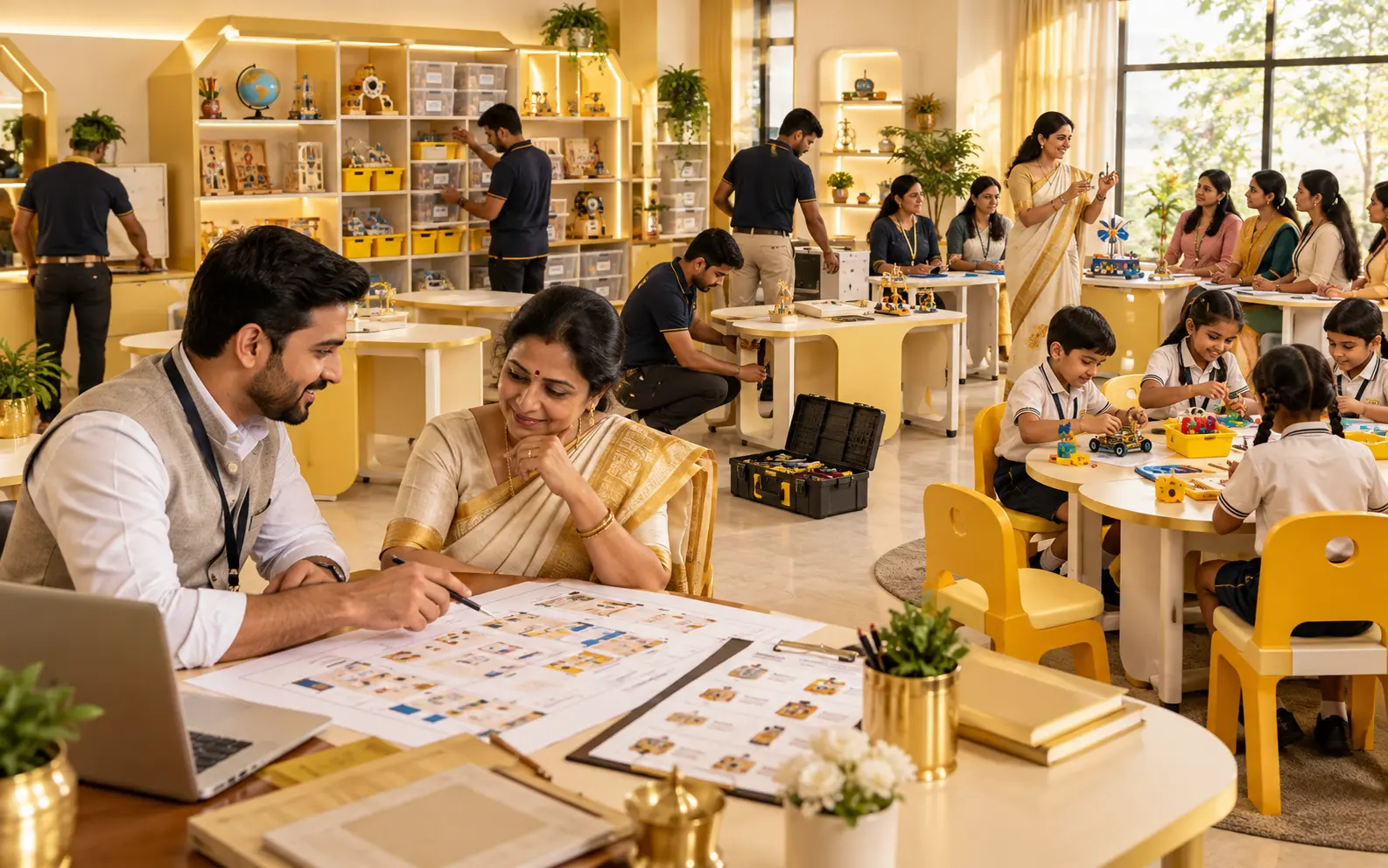
Preschool Discovery Lab Cost, Materials and Teacher Support
Compare a discovery lab proposal by learner capacity, room readiness, curriculum and support instead of equipment count alone.